How to Squat Correctly: 7 Tips for Healthy Knees and Back
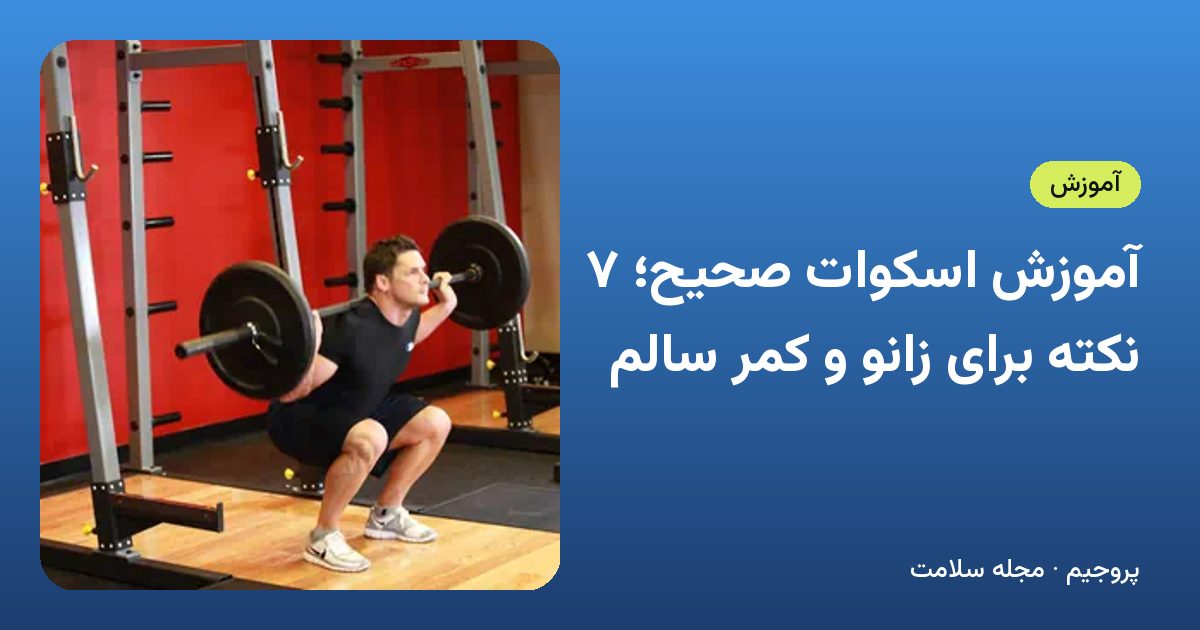
The squat works almost every muscle in the lower body and core. Doing it correctly both builds more muscle and protects your knees and lower back. See a visual demonstration of the movement here.
7 Key Tips
- Foot stance: about shoulder-width apart, toes turned slightly out.
- Knee path: your knees should track in line with your toes and not cave inward.
- Start with the hips: push your hips back and bend your knees at the same time, as if sitting down on a chair.
- Neutral back: keep the natural curve of your lower back; don't let it round or arch excessively.
- Weight across the whole foot: your heels shouldn't lift off the floor.
- Depth: go down as far as you can while keeping your back straight; for most people, at least until the thighs are parallel to the floor.
- Breathing: take a deep breath and brace your abs before descending, then exhale at the top.
Where to Start?
If you're a beginner, practice bodyweight squats first and then the goblet squat. The goblet squat naturally keeps your torso more upright and makes learning the form easier.
Common Mistakes
- Lifting heavy before learning the form
- Knees caving inward on the way up
- Leaning the torso too far forward and shifting the load onto the lower back
- Cutting the movement short to lift more weight
If you have knee or back pain, consult a doctor or physiotherapist before squatting heavy.
Frequently asked questions
How far apart should my feet be when squatting?
Stand with your feet about shoulder-width apart and your toes turned slightly out.
How low should I go in a squat?
Go as low as you can while keeping your back straight; for most people, that means at least until the thighs are parallel to the floor.
Why do my knees hurt when I squat?
Knees caving inward, heels lifting off the floor and lifting heavy before learning the form are common causes of knee stress. If you have knee pain, consult a doctor or physiotherapist before squatting heavy.
Where should beginners start with squats?
Practice bodyweight squats first, then goblet squats. The goblet squat keeps your torso more upright and makes learning the form easier.
Workout and nutrition plans matched to your goal and level, free.