Exercising During Ramadan: Workout Timing, Suhoor and Iftar Nutrition
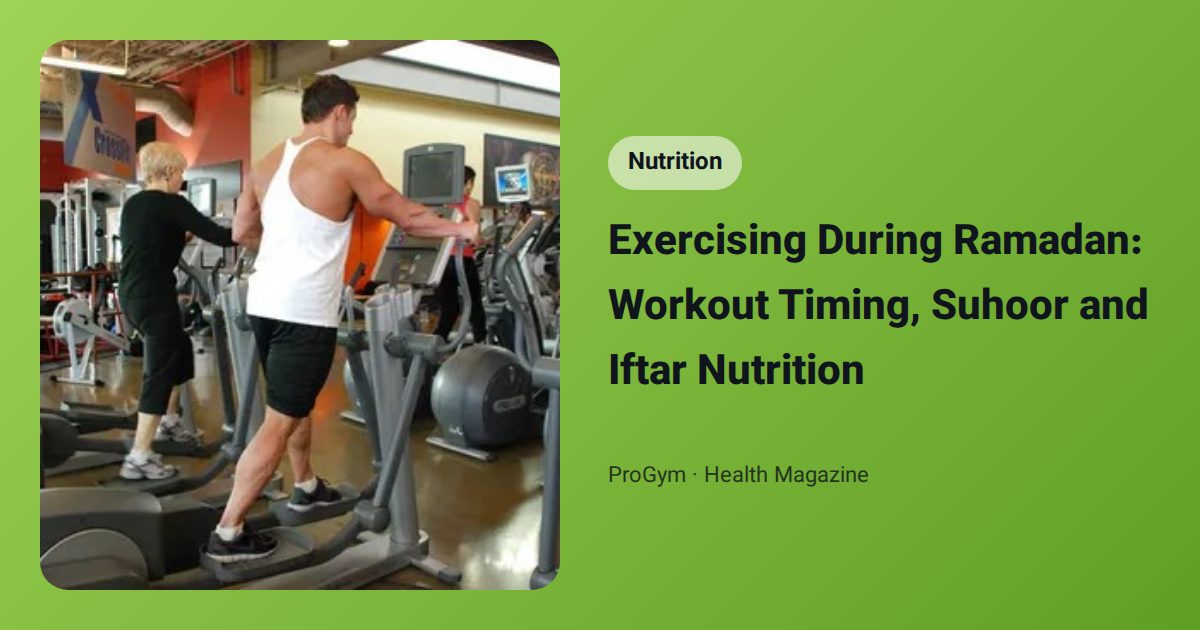
As Ramadan approaches, many fasting athletes worry that their training will stall or that hard-earned muscle will be lost. In reality, exercising during Ramadan is entirely possible for most healthy people, provided that workout timing, intensity and suhoor and iftar nutrition are planned sensibly. The goal this month is usually not to set records but to maintain fitness, muscle and the training habit. This guide covers all the practical points.
What does fasting do to an active body?
During Ramadan fasting, the body goes without food and water for many hours; in Iran this ranges from roughly 13 to more than 16 hours depending on the season. The main challenges are:
- Dehydration: the biggest cause of reduced performance, especially on hot days. Even mild dehydration lowers strength, focus and heat tolerance.
- Lower glycogen stores: late in the day, less fuel is available for intense training.
- Disrupted sleep: waking for suhoor and going to bed late reduce sleep quality and duration.
- Possibly lower protein and calorie intake: when three or four meals become two.
Studies of fasting athletes show that when sleep, calories and protein are maintained, changes in strength and body composition over a month are usually small. So with good planning, the fear of "losing muscle" is exaggerated.
The best time to exercise during Ramadan
There are three main options, each with pros and cons:
1. Shortly before iftar (about 30 to 60 minutes before sunset)
The big advantage is that you can drink and eat immediately after training. It suits light to moderate sessions such as walking, a short strength workout with moderate weights or the elliptical. The downside is that you train at the peak of the day's fatigue and dehydration, so intensity and duration must stay limited, usually 30 to 45 minutes.
2. Two to three hours after iftar
For most people who want to do serious strength work or harder training, this is the best time. Your body has received fluids and fuel, your stomach has settled and you can drink during the session. Many gyms in Iran extend their evening hours during Ramadan. The only catch is that training very late may delay sleep.
3. Before suhoor
This is possible for early risers, but it cuts into sleep and there is no way to replace lost fluids until iftar. If you choose this time, keep the session light and short.
Adjusting training intensity and volume
- Set realistic goals: Ramadan is for maintenance, not for chasing records or starting a strict diet.
- Cut volume by about 20 to 30 percent: for example three sets instead of four, but keep the weights as close to normal as possible; maintaining intensity preserves muscle better than maintaining volume.
- Keep sessions short: 45 to 60 minutes is enough.
- Avoid long cardio and intense HIIT while fasting: move them to after iftar.
- Don't train outdoors in the heat: especially when Ramadan falls in summer.
A three-day full-body program built on key lifts such as the squat, bench press, pulldown or row, Romanian deadlift and overhead press is plenty for maintaining muscle this month. See how to perform these movements in the ProGym exercise library.
Suhoor nutrition for fasting athletes
Don't skip suhoor; it is your fuel for the long hours ahead. The aim is a filling, slowly digested meal:
- Protein: eggs, cheese, yogurt, milk, or leftover chicken or legume dishes from dinner.
- Complex carbohydrates: sangak or barley bread, oats, brown rice or plain kateh rice.
- Healthy fats: a few walnuts or almonds, or some olive oil.
- Watery vegetables and fruit: cucumber, tomato, lettuce, watermelon or orange, which also help with hydration.
A simple example: a tomato omelette with two or three eggs, two palm-sized pieces of sangak bread, a bowl of yogurt, a few walnuts and cucumber. Avoid very salty food, pickles, processed sauces and lots of strong tea at suhoor, as they increase thirst during the day.
Iftar and dinner nutrition
The Iranian iftar table is full of traditional treats, but overdoing zoolbia, bamieh and other sweets can add a lot of extra calories and cause an energy crash. A balanced pattern:
- Start light: one or two glasses of water or warm milk, one or two dates and a small bowl of light soup, ash or low-sugar haleem.
- Pause: wait 15 to 20 minutes to let your stomach settle.
- Main meal: a balanced plate with protein (chicken, fish, lean meat, lentils or beans), a moderate portion of carbohydrates and salad or fresh herbs.
- Sweets: if you enjoy them, one or two small pieces of zoolbia or bamieh, not a whole plate.
If you train after iftar, eat your main meal two to three hours before the session and have a small protein-rich snack afterwards, such as yogurt, milk, eggs or a chicken sandwich. Spread your daily protein across iftar, the post-workout snack and suhoor. To estimate your calorie needs, you can use the ProGym calorie and BMI calculator.
Some athletes consider supplements or protein powders during this month. Any decision about supplements or medication is your own responsibility and must be made with your doctor's advice; for most people, getting enough protein from ordinary Persian home food is entirely possible.
Hydration: the most important rule of Ramadan training
- Drink about 8 to 10 glasses of water between iftar and suhoor, spread out rather than all at once.
- Sip water regularly during your post-iftar workout.
- Limit tea and coffee; large amounts, especially close to suhoor, can disturb sleep.
- Include watery foods such as watermelon, cucumber, lettuce and soup.
- Urine colour is a useful guide; pale yellow means you are well hydrated.
Sleep during Ramadan
Lack of sleep can hurt performance more than the fast itself. Aim for a total of about seven hours across night-time sleep and daytime naps. A 20- to 30-minute afternoon nap, if your work allows it, does a lot for your energy before iftar.
Who needs to be extra careful?
People with diabetes, especially diabetes treated with medication, heart disease, high blood pressure, kidney disease or any other medical condition, as well as pregnant and breastfeeding women, should consult their doctor and get clearance before both fasting and exercising while fasting.
Warning signs: when to stop training
If you experience any of these signs while exercising during a fast, stop immediately, sit down and get medical help if the symptoms continue:
- Dizziness, blurred or darkening vision or feeling faint
- Shakiness, cold sweats or confusion, which may signal low blood sugar
- Severe headache, nausea or severe muscle cramps
- Palpitations or chest pain
Summary
Exercising during Ramadan is possible and beneficial for healthy people. Move harder sessions to two or three hours after iftar or do short, light workouts just before iftar, trim volume slightly while keeping intensity, never skip suhoor, spread protein across your meals and drink enough water between iftar and suhoor. With these principles, you will return to your normal routine after Ramadan just as fit as before, or even fitter. For a plan that fits your work hours and goals, you can get in touch with the ProGym online coaches.
Frequently asked questions
When is the best time to exercise during Ramadan?
For strength or intense training, two to three hours after iftar is best. For light, short sessions, 30 to 60 minutes before iftar also works, because you can eat and drink straight afterwards.
Will I lose muscle during Ramadan?
If you keep strength training at a suitable intensity, eat enough protein at iftar and suhoor and get enough sleep, muscle changes over one month are usually small.
What should I eat at suhoor to avoid thirst until iftar?
Have a meal with protein, complex carbohydrates and watery fruit and vegetables, such as eggs, wholegrain bread, yogurt and cucumber, and avoid salty foods, pickles and lots of strong tea.
Can people with diabetes exercise while fasting?
This decision should only be made with a doctor, because of the risk of low or high blood sugar. Anyone with a medical condition should consult their doctor before fasting and before exercising while fasting.
Workout and nutrition plans matched to your goal and level, free.