Exercising in Cold Autumn and Winter Weather: Warm-Up, Clothing, Water and Safety
When autumn arrives and winter cold sets in, many of us drop training: mornings are dark, it is freezing outside and staying beside the heater seems easier. Yet this season matters for maintaining fitness, mood and immune health. Regular training in the cold months can help prevent weight gain, keep daily energy up and ease seasonal low mood.
On the other hand cold brings its own challenges: muscles stiffen, joints take longer to warm up, we sense thirst less, and people with asthma or heart conditions face extra risks. This guide shows how to enjoy autumn and winter training and stay safe.
What cold does to an athlete's body
- Stiff muscles and tendons: blood flow to hands and feet drops in cold air and muscles are less elastic. Without a sufficient warm-up, the risk of strains and tendon injuries goes up.
- More energy spent keeping warm: the body burns energy to hold its temperature, so you may tire earlier.
- Breathing cold, dry air: cold air irritates the airways and may cause coughing, a sore throat and, in sensitive people, shortness of breath.
- Dulled thirst: in the cold, thirst fades, but you still lose fluid through sweat and breath.
- Less daylight: shorter days mean a higher risk of falls and accidents when running or cycling at night.
- Lower motivation: less sunlight affects mood and drive.
Warm-up: more is needed in the cold
In normal weather 5 to 10 minutes of warm-up is enough; in the cold extend it to 10 to 15 minutes. Do the first part indoors and then go outside.
- Before leaving home: 3 to 5 minutes of light movement such as marching in place, shoulder and hip circles, bodyweight squats and easy jumping jacks.
- Dynamic moves: walking lunges, ankle circles, high knees, butt kicks, arm circles and cat-cow.
- Progressive intensity: bring the last 3 to 5 minutes close to the main session's intensity.
- Leave static stretching for after training. Long static holds before training do not help in the cold.
- In lifting: do more warm-up sets, for example 3 to 4 progressive sets before a heavy working set.
If you train at a gym, the hall can be cool at times; start with warmer clothes and peel off layers as you heat up.
The right clothing: the layering rule
Use three layers so you can add or remove them as your body warms:
- Base layer (against the skin): sport underwear that wicks sweat away. Avoid pure cotton for cold-weather exercise; cotton holds sweat and a wet shirt gets cold. Synthetic or blended sport fabrics are better.
- Mid layer (insulation): a thin fleece or light warm top that traps heat.
- Outer layer (protection): a thin, windproof and somewhat water-resistant breathable jacket. If it rains or snows, a waterproof layer is needed, but avoid thick sealed jackets that trap sweat.
Extra tips:
- Head, ears and hands: a large share of heat is lost from the head, hands and feet. Wear a thin hat, ear warmers or a headband and light gloves.
- Socks: blended or sport socks, not pure cotton. Wet feet cause both blisters and chilling.
- Shoes: shoes with a suitable non-slip sole for ice and wet leaves. On frozen ground use shorter strides.
- The "10 degrees warmer" rule: dress so you feel slightly cool at the start; while running you feel about 10 degrees Celsius warmer than the air temperature.
- Change out of wet clothes quickly. After training, if you are sweaty, put on dry clothes right away so you do not get cold.
- Visibility at night: reflective clothing or bands and a small light for running in the dark.
Water and food in the cold season
Cold reduces thirst, yet the body still loses water through sweat, breathing and urine. Home heating also dries the air. Recommendations:
- Drink water regularly through the day rather than waiting for thirst.
- Check urine color: pale yellow means good hydration; dark yellow means drink more.
- One or two glasses of water before training, and for sessions over 45 to 60 minutes a few sips every 15 to 20 minutes.
- Warm unsweetened drinks such as light herbal infusions, warm water with lemon or weak tea after training warm you up and add fluid.
- Warm, nourishing Iranian dishes like ash, soup, abgoosht and lentil stew are excellent cold-season options. Ash reshteh and barley soup with herbs provide protein and carbohydrate together.
- Pre-training meal light and carb-based (bread and cheese, banana or apple); post-training a mix of protein and carbohydrate (omelet, yogurt and bread, legume stew).
- Alcohol and smoking before or after training in the cold are dangerous and impair your sense of cold. Tobacco damages lungs and heart.
You do not need supplements to "strengthen" yourself in winter; any decision about them is your own responsibility, and if you suspect a deficiency (for example vitamin D), consult a doctor and get tested.
Supporting immunity and avoiding illness
Moderate, regular exercise supports immune function. But very heavy, long training, especially with short sleep and a harsh diet, can temporarily raise the risk of respiratory infections.
- 7 to 9 hours of sleep is the most important immune factor.
- A varied diet: colorful fruit and vegetables, citrus, pomegranate, garlic, legumes, yogurt and enough protein.
- Wash your hands and wipe shared gym equipment with sanitizing wipes.
- The "above the neck, below the neck" rule: if symptoms are only above the neck (a mild runny nose, sneezing) and you have no fever, light-to-moderate training is usually fine. If you have symptoms below the neck (deep cough, severe body aches, fever, shortness of breath, general weakness), rest and return gradually after full recovery.
- When sick, do not go to the gym and do not pass the illness to others.
- Flu vaccine: discuss it with your doctor.
- Avoid overtraining. Sudden jumps in intensity and volume leave you vulnerable.
Cold-weather safety: frostbite and hypothermia
In sub-zero temperatures or damp, windy weather there is a risk of frostbite to fingers, ears and nose. Signs: stinging, numbness, skin turning white or gray. If you see these, go somewhere warm, rewarm the area gently with lukewarm water and do not rub. See a doctor in severe cases.
Signs of hypothermia: intense shivering, confusion, slurred speech, drowsiness and clumsy movement. In these cases get somewhere warm right away, change wet clothes and get help. If severe, call emergency services.
- On very cold or polluted days (air pollution in large cities), move outdoor training indoors.
- When the air quality index is high, avoid hard outdoor exercise, especially for children, older adults and people with heart or lung disease.
- On icy ground watch for slipping and choose a lit, reliable route.
- Tell someone where and when you are going and carry your phone.
Caution for people with asthma and respiratory sensitivity
Cold, dry air is a common trigger for asthma attacks and exercise-induced shortness of breath. If you have asthma:
- Consult your doctor before increasing activity in the cold and know your asthma action plan.
- Use prescribed medicines only as your doctor directs and carry them with you. Decisions about medication belong to your doctor, not this article.
- Warm up longer and gradually and avoid starting abruptly at high intensity.
- In cold air, use a scarf or thin mask over mouth and nose to warm and humidify the air, and breathe through your nose.
- On very cold, polluted or windy days move training indoors.
- If you cough, wheeze, feel chest tightness or shortness of breath, stop training immediately and follow your doctor's plan. If it does not improve, seek medical help straight away.
- It is best not to train alone outdoors.
People with heart disease, high blood pressure or a history of chest pain should also consult a doctor before hard training in the cold, because cold constricts blood vessels and raises the workload of the heart.
Indoor and gym alternatives
If it is extremely cold, polluted or slippery, move the session indoors. There is no reason to give up training entirely:
- Bodyweight training at home: squats, lunges, push-ups, planks, glute bridges, burpees and mountain climbers.
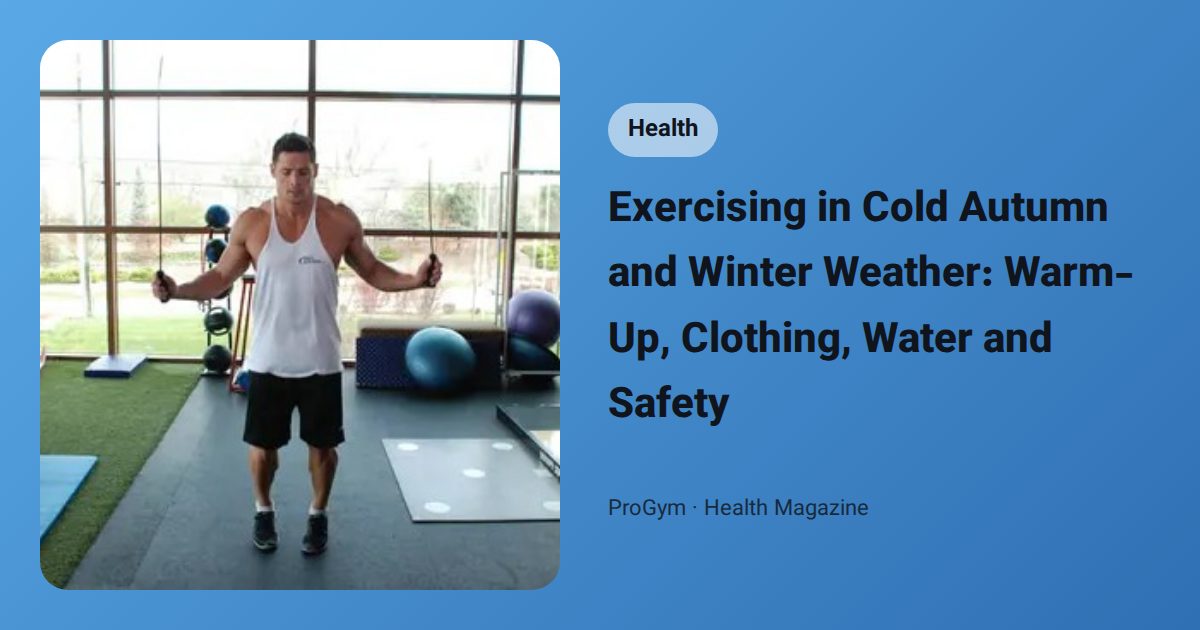
- Jump rope: great cardio in little space; start with 5 to 10 minutes.
- Stationary bike, treadmill and elliptical at the gym or home.
- Bands and dumbbells: full resistance training with cheap equipment.
- Circuit or short HIIT: 15 to 25 minutes of full-body moves.
- Yoga, Pilates and mobility work: for recovery days.
- Stair climbing in your building: free and effective, with safety in mind.
- Swimming in an indoor pool: gentle on joints, but dry off quickly afterward.
With the Companion Coach, ProGym can suggest a short at-home session with bodyweight moves and simple equipment on days you cannot go out, and adjust your weekly plan to the weather. With the in-app music player you can keep an energetic playlist ready to start cold mornings.
Motivation and planning tips
- Lay out your workout clothes the night before. Put them beside the bed so the morning needs fewer decisions.
- Shift training to warmer hours. Noon or afternoon is usually warmer and brighter.
- Train with a friend or group. Social commitment helps.
- Shrink the goal. On hard days even 10 to 15 minutes counts.
- Use daylight. 15 to 20 minutes in sunlight during the day helps mood.
- Reward yourself healthily afterward: a warm shower and a hot drink.
After training: cool-down and recovery
After training, change out of wet clothes, do 5 minutes of light movement and stretching, and eat a suitable meal within 30 to 60 minutes. A warm (not scalding or prolonged) shower helps. Afterward keep hands and face moisturized because cold, dry air irritates the skin. Enough sleep is also a key part of recovery.
If you have any underlying condition, consult a doctor before beginning a winter program; the final responsibility for health and training decisions rests with you.
Summary: In the cold, extend your warm-up (10 to 15 minutes), dress in three layers and avoid cotton against the skin, keep drinking water and protect immunity with good sleep and food. On very cold or polluted days move training indoors. People with asthma or heart disease should consult a doctor before cold-weather training and stop at the first sign of breathing difficulty.
Frequently asked questions
How long should I warm up in cold weather?
About 10 to 15 minutes, longer than usual. Do the first part indoors and raise intensity gradually.
What is the best clothing for cold-weather exercise?
Three layers: a sweat-wicking base layer (not pure cotton), an insulating mid layer and a windproof outer layer. Do not forget a hat, gloves and suitable socks.
Can I train with a cold?
If symptoms are only above the neck and you have no fever, light training is usually fine. With fever, a deep cough, severe body aches or shortness of breath, rest, and consult a doctor if unsure.
What should people with asthma do in the cold?
Consult a doctor before increasing activity, carry prescribed medication used only as directed, warm up longer, cover the mouth and nose with a scarf and train indoors on very cold or polluted days.
Workout and nutrition plans matched to your goal and level, free.